

THE VISUAL ENGINE.
Documentation of high-performance gaming UI, environment depth, and interface precision. We don't just build apps; we engineer digital cockpits for competitive edge and immersive narrative flow.
OPTIMIZATION CRITERIA:
WHAT WE MEASURE.
UI Clarity vs. Density
We optimize for visual hierarchical scanning. Our interfaces sacrifice "fluff" animations for instantaneous data delivery. If it takes >150ms to read a status, it's redesigned.
Input Latency Balance
Visual fidelity is high, but we strictly cap overhead. Every texture layer must justify its weight against frame-time consistency.
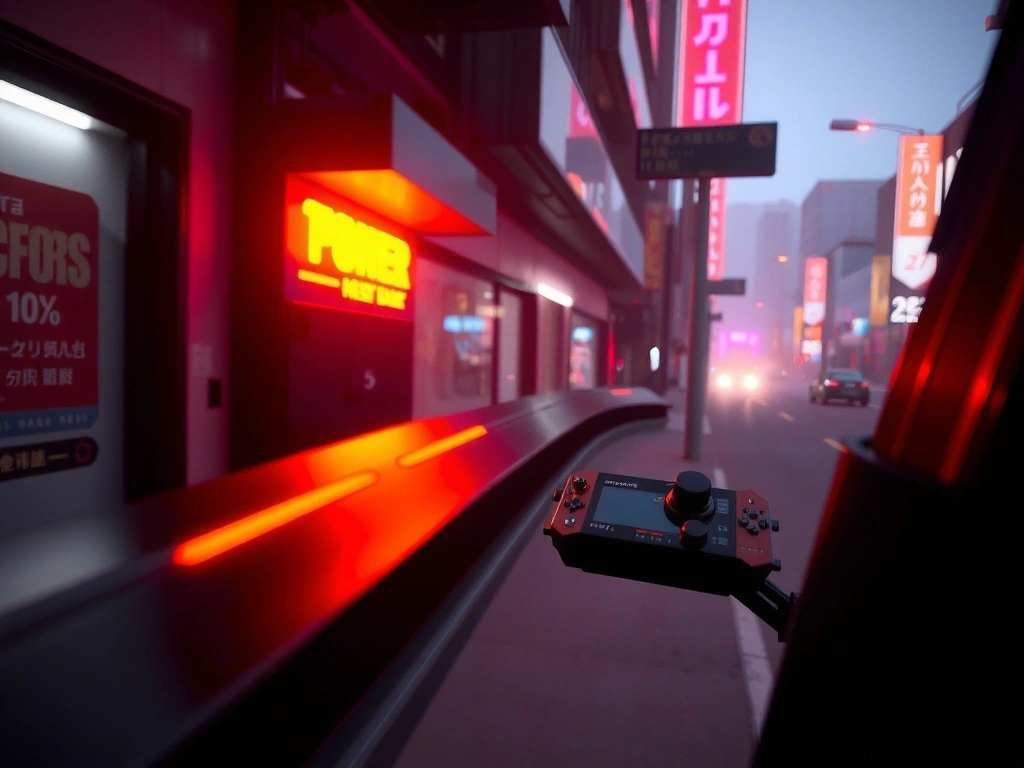
STRESS TEST: Rendered at 120Hz with zero frame drop during high-density particle emitters.
DETERMINISTIC HUD
Inventory slots with high-contrast borders for accessibility and rapid recognition.



Dynamic Lighting Archive
Evaluation of atmospheric depth achievable without CPU thermal throttling.
THE ROBUSTNESS LAB.
Our performance benchmarks are not theoretical. We evaluate application limits by simulating real-world device thermal saturation—running intensive game cycles for 4+ hours on mid-tier hardware to ensure the visuals you see in this gallery don't degrade under heat.
Methodology Note: We use a "Minimalist Fidelity" approach. By removing redundant geometry and optimizing shader draw-calls, we achieve the sharp, high-contrast look that has become the Levelmixa signature. It is a trade-off: we sacrifice soft-shadow realism for millisecond responsiveness.
Inquiry / Protocol
How is cross-platform fidelity maintained?
We utilize a shared asset pipeline that dynamically adjusts polygon density based on target device DPI. This ensures the visual core remains identical from tablet to phone.
Are these visuals representative of live gameplay?
Yes. These screenshots are captured directly from production builds, specifically focusing on high-load scenarios to demonstrate stability and clarity.
What is the overhead of your custom UI layers?
Our HUD frameworks contribute less than 2MB to the total application footprint, prioritizing RAM availability for main game logic.
EXECUTIVE SUMMARY
Levelmixa visual assets are engineered for technical performance and player ergonomics.
We prioritize high-contrast interface elements to reduce cognitive load during competitive gaming sessions.
Our development pipeline balances aggressive optimization with cinematic aesthetic standards for the German market.
CRITICAL PITFALLS TO VOID
Visual Architecture Guardrails
Over-shading interfaces. Excessive gradients mask critical status indicators. Keep primary text on solid high-contrast panels.
Unoptimized font weight. Thin fonts fail on mobile under direct sunlight. Levelmixa mandates 600+ weight for stats.
Ignoring thermal bleed. High-res textures are useless if the GPU throttles. Optimize assets for the target's thermal ceiling.
Ambiguous iconography. Never sacrifice functional clarity for aesthetic minimalism. Buttons must look like buttons.
BUILD FOR THE GRIND.
The visuals displayed represent our commitment to zero-latency aesthetics. While design trends evolve, the requirement for high-load stability and tactical clarity remains absolute.
Expert Insight
"The biggest mistake developers make is prioritizing beauty over responsiveness. A beautiful game that dropped a frame during a boss fight is a failure. We optimize until the frame becomes the canvas."