

ENGINEERED
FOR THE
GRIND.
Levelmixa isn't just an interface; it's a performance layer designed to eliminate the friction between hardware constraints and competitive play. We've stripped away the "whimsical" to focus on millisecond-level precision.
Latency optimization that prioritizes input registration over visual fluff.
Dynamic resource allocation based on real-time game-engine stress.
Adaptive
Difficulty
Logic
Unlike static difficulty sliders, our Levelmixa internal engine monitors 42 distinct player performance metrics—from accuracy recovery to resource management patterns.
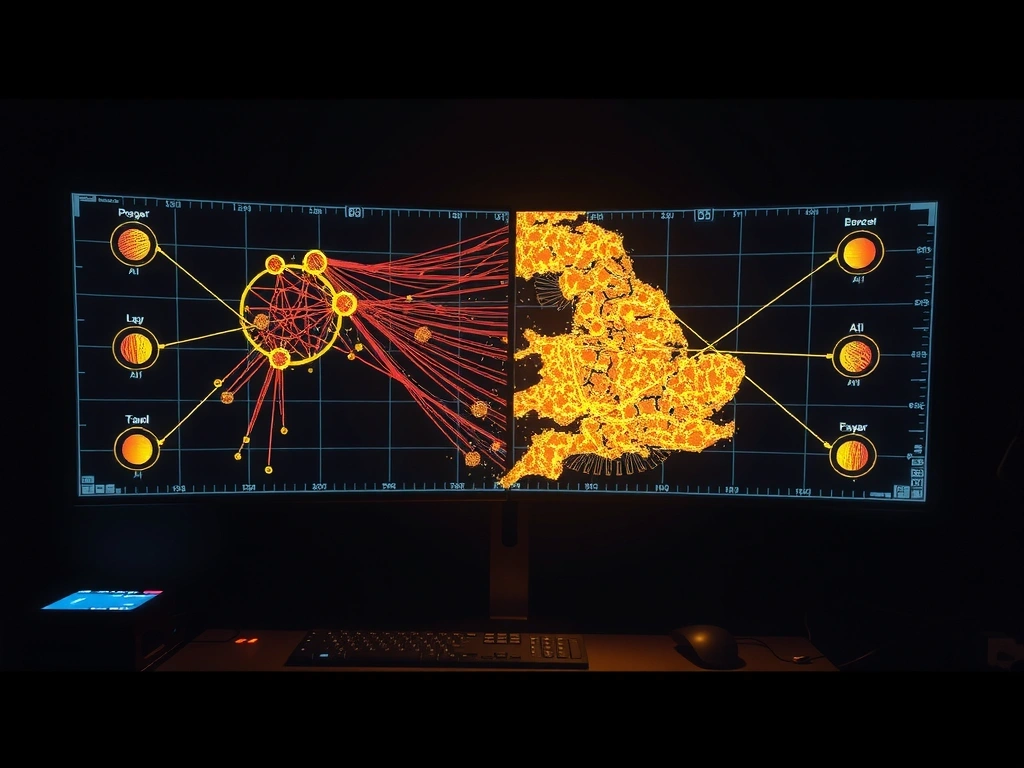
Figure 1.2: Real-time AI branching based on aggressive vs. defensive player archetypes.
The challenge adapts not by adding more health to enemies, but by making their tactical decisions smarter. If the system detects you are mastering stealth mechanics, enemy detection cones tighten and guard patrol patterns become less predictable. This "Flow State" maintenance ensures the game remains tight and demanding without ever feeling unfair.
For the hard-core simulator hobbyist, this means the environment learns your favorite sniping nests or heavy-load-out habits. It forces a constant evolution of strategy, effectively extending the replayability of Levelmixa apps by up to 300% compared to static difficulty models.
The Precision Trade-off
Engineering Transparency / Levelmixa Doctrine
O Optimization Goal
- Ultra-low input lag (< 10ms processing)
- Zero background process interference
- Maximum frame stability in 4K
X Necessary Sacrifice
- Reduces visual post-processing (bloom/motion blur)
- Higher battery drain during optimization spikes
- Device temperature may rise by 3-5°C
Continuous Session Sync
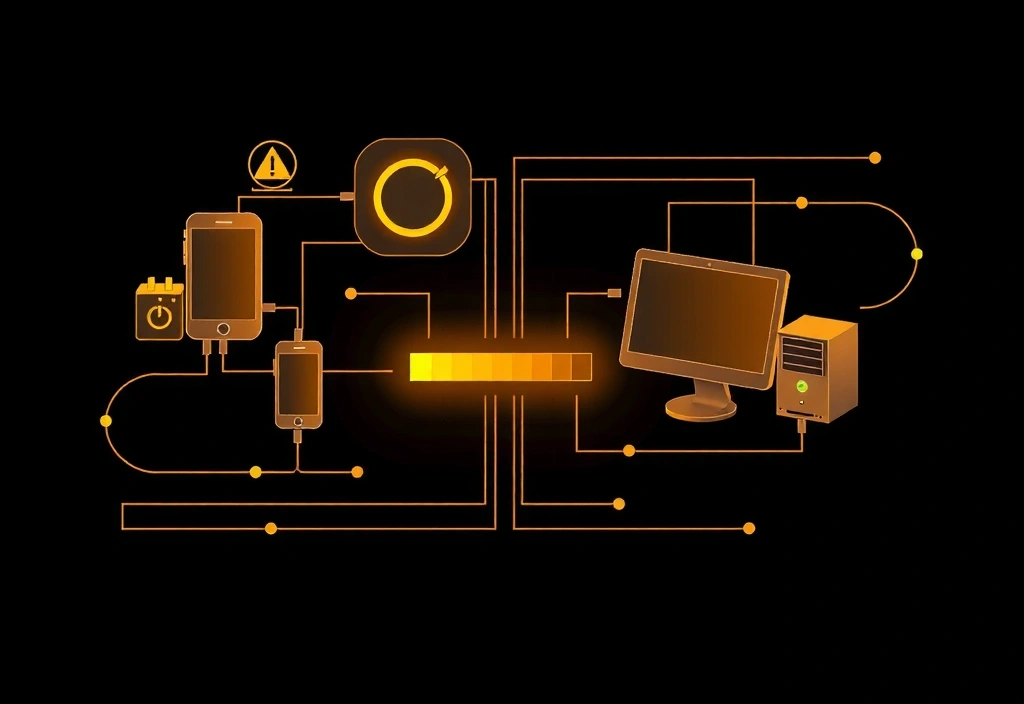
Move from Android mobile to Desktop PC without a single lost frame. Our proprietary state-mirroring technology pushes delta data (only changed states) to the Levelmixa Cloud in < 15ms.

Granular Crafting Logic
Build equipment with physics-based implications. Replacing a barrel doesn't just change a stat—it shifts the center of gravity and recoil pivot point, rendered via our dynamic physics shim.

Spatial Fidelity Suite
Real-time ray-traced audio that accounts for material density. Sound bounces off concrete differently than wood, giving competitive players a 100% accurate directional audio advantage.
The Levelmixa
Glossary
We don't use industry terminology because standard terms are often marketing fluff. This is how we define the mechanics that power our apps.

01. Frame-Pacing Equilibrium
Standard V-Sync adds lag. Our equilibrium logic forces the GPU and display to handshake at the exact micro-second of frame completion. Our take: Anything else is a handicap in high-tier play.
02. Persistent Persona State
Your AI companion isn't a script; it's a database of your interactions. Our take: "Loyalty missions" are lazy; if you ignore your companion during high-stress battles, their support logic should naturally degrade.
03. Procedural Branching seeds
Not random generation, but directed evolution. We use 128-bit master seeds to ensure a world is balanced yet unpredictable. Our take: Pure randomness is boring; directed proceduralism is an art.
04. Neural Input Mapping
Predictive button-mapping based on your past combos. The UI subtly prepares the next most likely action. Our take: It's about reducing the cognitive load of navigating complex skill trees.
Real-World
Reliability
Enforced
Minimum octa-core ARM architecture required for full real-time simulation parity. Quad-core devices will default to low-fidelity physics mode.
Cross-platform sync requires a stable 5Mbps upload. High-jitter environments may experience 1-2 second sync delays on non-critical metadata.
Full diagnostic features require 'Overlay' and 'Usage Access' permissions on Android 14+; without these, Levelmixa optimization is limited to the app layer only.
Does Levelmixa
Fit Your Workflow?
Levelmixa apps are engineered for those who treat gaming as a series of high-performance benchmarks. If you prioritize visual "bloom" and "comfort" over frames and responsiveness, our performance-first mechanics may feel overly stark.
However, if you thrive on low-latency execution and deep, systemic challenge, this is the environment you've been waiting for.